
What Is Red Chinese Pepper? Whole Dried Chilies Explained
Learn what red Chinese pepper usually refers to, how dried red chilies differ from Sichuan peppercorns, and how to choose and use whole pods.
What does red Chinese pepper mean?
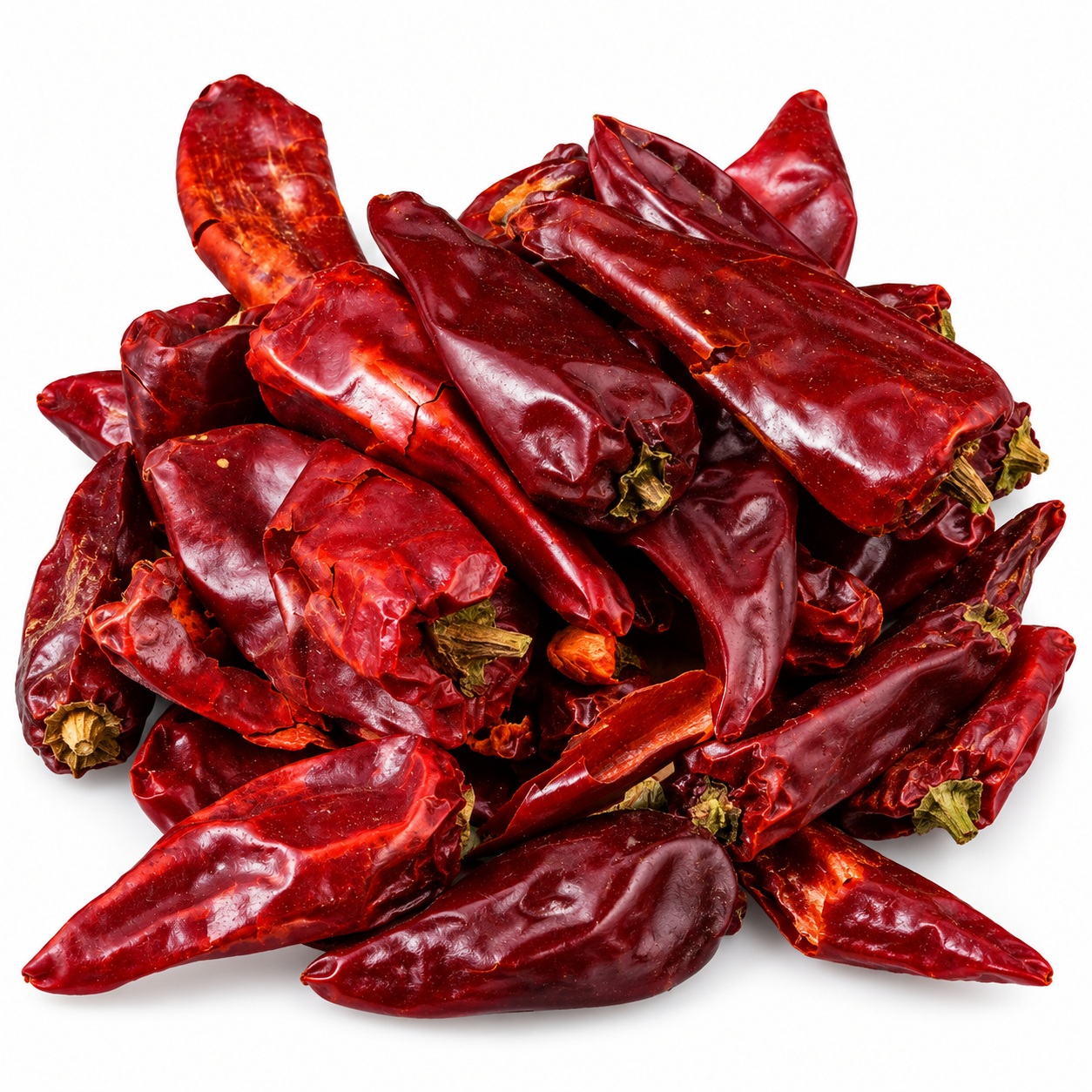
The phrase red Chinese pepper is not a precise botanical variety name. In many English-language food listings it is used loosely for dried red chili peppers, which provide warming heat, color and a dried-chili aroma.
On SinoPantry, the Red Pepper listing refers to whole dried red chili peppers for stir-fries, hot pot, chili oil, braised dishes and soups. Check the product page and package for the exact pack, variety and manufacturer details; the broad English name alone does not identify a specific chili cultivar.
Whole dried red chilies are not Sichuan peppercorns
Dried red chili peppers and Sichuan peppercorns do different jobs. Chilies contribute the familiar spicy heat associated with capsaicin. Sichuan peppercorn is valued for a citrus-like aroma and the tingling sensation called ma; it is not a substitute for chili heat.
Some Sichuan dishes use both ingredients together to create mala, the combination of numbing fragrance and chili heat. If you want that layered flavor, use each spice for its own role rather than treating them as the same pepper.
How to choose whole dried red chilies
Start with the product label. Look for a clear product name, pack size, ingredient information and any available origin or storage details. Color alone cannot tell you the variety or exact heat level.
Before cooking, check that the pods are dry and free from visible mold, dampness, pests or an unusual smell. Dried chilies vary in size, thickness, aroma and heat, so choose a small pack first if you are unfamiliar with the product.
Use whole, broken or crushed chilies
Whole pods are useful when you want to infuse oil, broth or a braise and remove the chilies before serving. Broken or sliced pieces expose more of the pod and spread heat through the dish more quickly. Crushed chili distributes more evenly in sauces and seasonings but can scorch faster in hot oil.
For a stir-fry, warm the oil over moderate heat and briefly move completely dry chilies through it until fragrant. Add the other ingredients before the pods become very dark. Do not put wet, freshly soaked chilies into hot oil because residual water can splatter.
How much chili should you start with?
There is no universal number because heat varies by chili variety, batch and preparation. Start with one or two whole pods in a small dish, taste as you cook and add more only if needed. Breaking a pod can release heat more quickly, so make small adjustments rather than adding a large amount at once.
If a recipe needs soft chilies, rehydrate them in warm water and follow the recipe's next step. Rehydrating changes texture; it does not reliably remove the chili heat. For a fuller guide to blooming, rehydrating and storing dried chilies, see our practical dried-chili cooking guide.
Where whole dried red chilies work well
Whole dried red chilies are useful in stir-fries, spicy hot pot broth, chili oil, braised dishes, soups, marinades and spice sachets. Their flavor can be infused gradually when the pods stay whole, or distributed more directly when they are broken or crushed.
They pair well with garlic, ginger, Sichuan peppercorn, star anise and cinnamon, but you do not need every spice in one dish. Choose the aromatics that suit the recipe and keep the chili amount adjustable.
Store dried chilies carefully
Keep dried chilies in a clean, completely dry, airtight container away from moisture, heat and direct sunlight. Follow the manufacturer's storage instructions and keep the package sealed after opening.
Discard pods that become damp, moldy, pest-damaged or develop an unusual smell. Wash your hands after handling chilies and avoid touching your eyes.
Explore SinoPantry whole dried red chilies
SinoPantry's Red Pepper product page describes whole dried red chilies with a bold aroma, warming heat and bright red color. The listing presents them for stir-fries, hot pot, chili oil, braises, soups and spice sachets.
Review the exact pack option, price, stock status and package information on the product page before ordering. For preparation tips, continue to our guide on how to use dried Chinese chilies.
Frequently asked questions
Is red Chinese pepper the same as Sichuan peppercorn?
No. Red dried chilies provide chili heat, while Sichuan peppercorn is known for citrus-like fragrance and a tingling sensation called ma. They can be used together but are different ingredients.
Are whole dried red chilies always very spicy?
No single heat level applies to every dried chili. Variety, batch and preparation all matter, so start with a small amount and taste as you cook.
Can I use whole dried red chilies in hot pot?
Yes. Whole dried red chilies can be added to a hot pot broth for aroma, color and warming heat. Follow the soup-base instructions and adjust the amount gradually.
Should I soak dried red chilies before cooking?
Not always. Use them dry when a recipe calls for blooming in oil or simmering in broth. Rehydrate them only when a softer texture is needed, and never put wet chilies directly into hot oil.
How should I store whole dried red chilies?
Keep them sealed in a clean, dry, airtight container away from heat, moisture and direct sunlight. Follow the package instructions and discard any pods that become damp or moldy.