
How to Use Dried Chinese Chilies: Practical Tips
Learn how to rehydrate dried Chinese chilies, bloom them in oil, make chili oil, control heat and store whole dried peppers for everyday cooking.
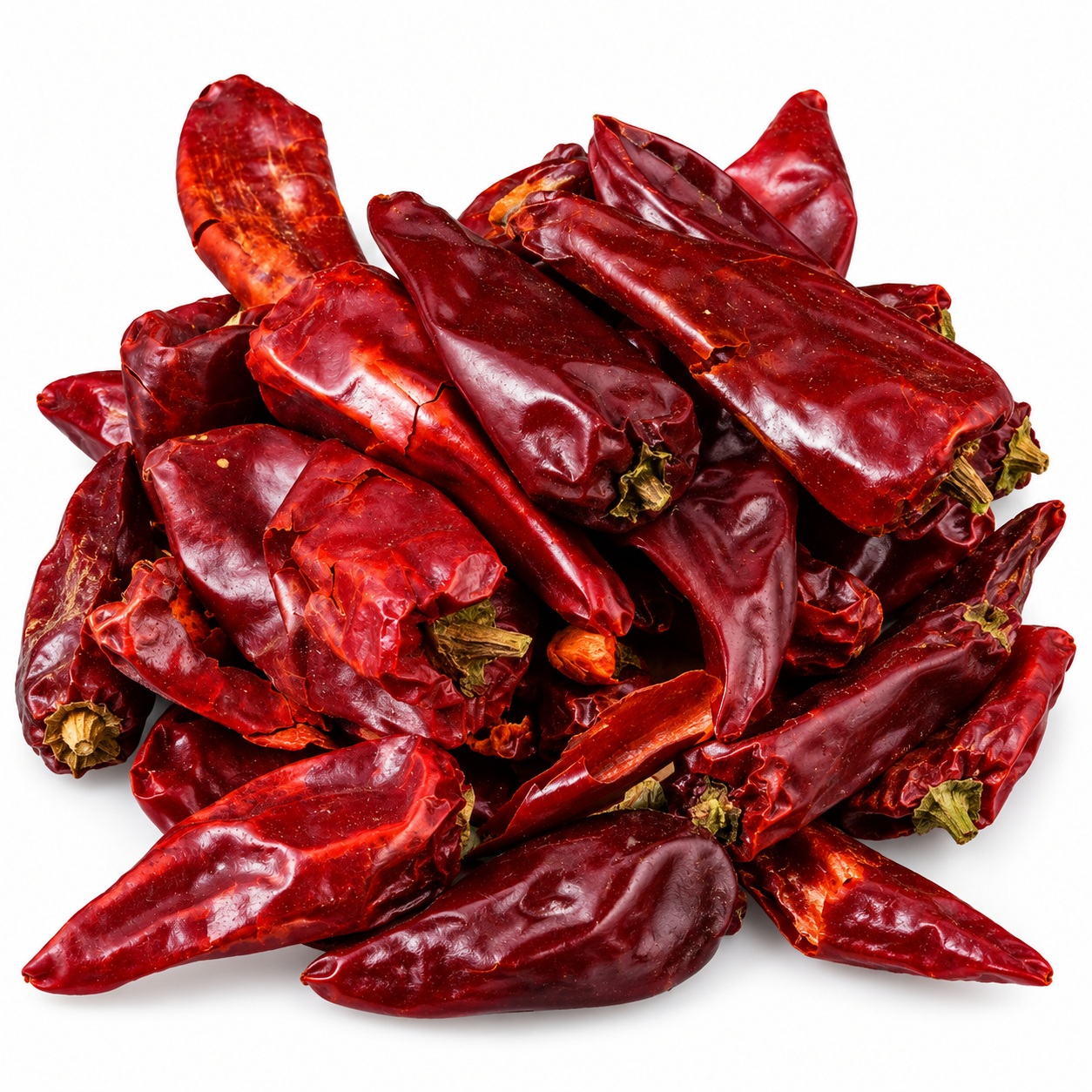
How to use dried Chinese chilies
Dried Chinese chilies add color, aroma and adjustable heat to stir-fries, chili oil, hot pot, noodles, soups and braised dishes. You can use them whole for a gentler infusion, split or snip them to release more heat, or rehydrate them when a recipe needs a softer texture. Because varieties differ, start with one or two chilies, taste, and add more only if the dish needs it.
Choose the preparation for the result you want: briefly bloom dry chilies in warm oil for fragrance, soak them in warm water when you need a pliable texture, or grind fully dried chilies for an even seasoning.
- Whole chilies are easier to remove and usually give a more restrained result.
- Broken or sliced chilies spread their flavor and heat through a dish more quickly.
- Ground chilies distribute evenly, but can scorch quickly if added to very hot oil.
How to rehydrate dried chilies
When a recipe calls for soft chilies, place the dried pods in a heat-safe bowl and cover them with warm water. Let them soften until pliable, then drain well and prepare them as the recipe directs. The time varies with the size, thickness and dryness of the pods, so use texture rather than a fixed timer as your guide.
Rehydrating changes the texture; it does not reliably remove the chili heat. Do not put wet, freshly soaked chilies into hot frying oil because residual water can cause dangerous splattering. Pat them dry and use them in a preparation that suits their moisture, such as a sauce or braise.
How to bloom dried chilies without burning them
Warm a little cooking oil over moderate heat, add a small number of completely dry whole or broken chilies, and stir briefly until fragrant. Add the other ingredients before the chilies become very dark. If they turn black or smell acrid, the oil may taste bitter; lower the heat or briefly move the pan off the burner rather than waiting for them to darken further.
Keep your face away from the pan if the chili aroma becomes irritating, and ventilate the kitchen. Use a small first batch when trying an unfamiliar variety.
- Start with moderate heat rather than a smoking-hot pan.
- Keep the chilies moving and add the main ingredients as soon as they smell fragrant.
- If using chili flakes, add them later or use lower heat because small pieces scorch faster.
How to make Chinese chili oil with dried chilies
For a simple aromatic chili oil, place dry chili flakes in a stable, heat-safe bowl. Heat the oil according to a tested recipe, then carefully pour it over the flakes in stages while stirring with a heat-safe utensil. A gradual pour helps the flakes release aroma without overwhelming one spot. The right oil temperature and chili-to-oil ratio depend on the recipe and the chili used.
Never add water to hot oil, and keep your hands and face clear of splashes. Do not assume a homemade infused oil is shelf-stable: use clean, completely dry equipment and follow a reliable food-safety recipe for cooling and storage. Avoid adding fresh garlic or other moist ingredients unless the recipe provides safe handling and storage instructions.
How to control the heat of dried chilies
The heat of dried chilies varies by variety, batch and processing. For a milder flavor, keep the pods whole, use fewer at first and remove them before serving. For more even heat, break or slice the pods. If a recipe allows it, removing some of the pale inner ribs can reduce the heat, although it will not make every chili mild.
Add chili in stages and taste the dish as it cooks. In hot pot, begin with a small amount and allow the broth to simmer before adjusting. A prepared spicy soup base may already contain chili, so check its ingredient list and taste before adding more.
Use dried chilies in stir-fries, hot pot and braises
In a stir-fry, briefly bloom whole or broken chilies in oil, then add aromatics and the main ingredients before the chilies scorch. For noodles or dipping sauces, use a small amount of chili oil or finely crushed dried chili to add fragrance at the table.
In hot pot, add a modest amount to the broth and adjust after tasting. In soups and braises, whole chilies are easy to lift out when the flavor is balanced. Pair chili with ingredients such as garlic, ginger, Sichuan peppercorn or vinegar according to the dish, rather than adding every aromatic at once.
How to choose and store dried chilies
Check the product listing and package for the chili variety, net weight, ingredients and any available origin details. Color alone does not prove a chili’s variety or heat level. Choose a pack with clear product information and inspect it before use.
Store dried chilies in a clean, completely dry, airtight container away from moisture, heat and direct sunlight. Discard them if they become damp, moldy, pest-damaged or develop an unusual smell. Wash hands and utensils after handling chilies, and avoid touching your eyes.
A simple first experiment
Make a small vegetable stir-fry with one or two whole dried chilies. On another day, prepare the same dish with the chilies broken into pieces, keeping the other ingredients and cooking method similar. Compare the aroma and heat so you can learn how preparation changes the result.
Explore SinoPantry’s Chinese chili and mala ingredients for the pantry products currently listed. Check each product page for its own ingredients, pack details and destination-specific shipping options before ordering.
Frequently asked questions
Do I need to soak dried Chinese chilies before cooking?
No. Use dried chilies whole or broken when a recipe calls for blooming them in oil or simmering them in broth. Rehydrate them in warm water only when you need a softer, pliable texture for a sauce or other preparation.
How do I stop dried chilies from burning in a stir-fry?
Start with moderate heat, add completely dry chilies to warm oil and stir briefly. Add the other ingredients as soon as the chilies smell fragrant. Small flakes burn faster than whole pods, so add flakes later or use lower heat.
Can I use dried Chinese chilies to make chili oil?
Yes. Put dry chili flakes in a heat-safe bowl and carefully pour hot oil over them in stages, following a tested recipe for the oil temperature and proportions. Never add water to hot oil, and follow safe cooling and storage guidance for homemade infused oil.
Are whole dried chilies less spicy than chopped chilies?
Whole chilies often release heat more gradually and are easier to remove. Chopping or breaking them exposes more of the inner pod and spreads chili through the dish. Actual heat still depends on the variety and batch.
How should I store dried chili peppers?
Keep them in a clean, completely dry, airtight container away from moisture, heat and direct sunlight. Discard pods that become damp, moldy, pest-damaged or develop an unusual smell.